How Infrared Heat Therapy Devices Transform Oral Care Routines
May 22, 2026
How Infrared Oral Care Devices Are Transforming Modern Dental Hygiene
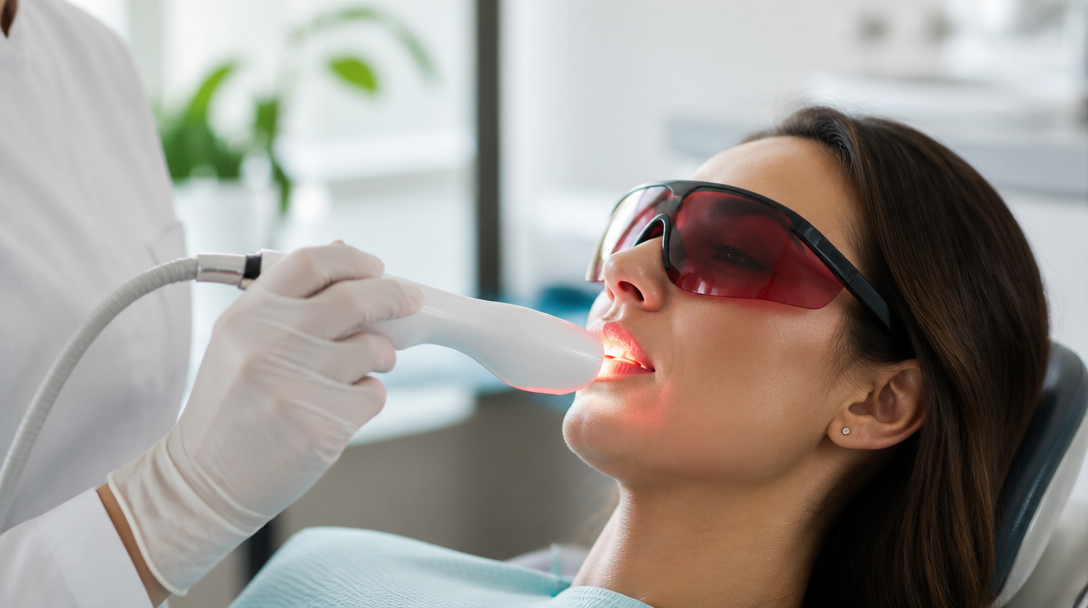
Infrared oral care devices are redefining what daily dental hygiene can accomplish — moving beyond mechanical plaque removal to actively stimulate tissue repair, reduce inflammation, and accelerate healing at the cellular level. This is not a wellness trend built on marketing language. It is grounded in a growing body of peer-reviewed clinical research spanning oncology, orthodontics, and periodontology. Photobiomodulation (PBM) — the mechanism these devices rely on — has been studied in controlled clinical settings for decades. What changed in the last five years is the miniaturization of the technology and its migration from hospital laser suites into dental offices and, increasingly, consumer bathrooms.The Science Behind Infrared Oral Care Devices
PBM works by delivering specific wavelengths of red and near-infrared light — typically between 630 and 850 nanometers — directly to oral tissues. Those photons are absorbed by cytochrome c oxidase, a key enzyme in the mitochondrial electron transport chain. The result is a measurable increase in adenosine triphosphate (ATP) production and a simultaneous reduction in pro-inflammatory cytokines. A study published in PubMed Central on LED oral care device optics confirmed that red and near-infrared LED phototherapy drives both outcomes: elevated ATP for faster cellular repair and reduced inflammatory signaling that would otherwise delay healing. The dual-action mechanism is what separates PBM from passive interventions like antimicrobial rinses. Tissue penetration depth is a critical variable. Near-infrared energy at 800–850 nm reaches 2–4 millimeters into gingival tissue, placing it at the periodontal ligament and alveolar bone surface — exactly where chronic inflammation does its most destructive work. Shorter visible-red wavelengths (630–660 nm) are better suited to surface epithelial applications, such as mucositis prevention and minor lesion repair. The therapeutic effect follows a well-documented biphasic dose response. Energy densities between 2–10 J/cm² produce optimal cellular stimulation; doses above 20 J/cm² can paradoxically suppress the same healing pathways they are meant to activate. This principle — known as the Arndt-Schulz law in photobiology — is why dosimetry controls are not optional features but clinical necessities.Clinical Evidence: What Peer-Reviewed Research Confirms
Pain Reduction and Analgesic Effects
A controlled trial published in PubMed Central evaluated 800-nm infrared therapy delivered at 55 centimeters for 15-minute sessions. Patients reported dental pain scores reduced by an average of 4.2 points on a 10-point scale — a statistically significant outcome that outperformed treatments at shorter or longer distances. The study also documented measurable reductions in masticatory muscle tension, suggesting systemic analgesic effects beyond the immediate treatment site. The practical implication is meaningful for both clinical and home-use applications: optimal distance and wavelength are not interchangeable variables. Devices that allow users to unknowingly alter either parameter introduce real variability in outcomes.Oral Mucositis Prevention in High-Risk Patients
One of the most robust evidence bases for PBM comes from oncology. A clinical review published in Frontiers in Oral Health describes photobiomodulation as a safe and effective intervention for both preventing and treating oral mucositis in chemotherapy and transplant patients — a population where conventional pain management options carry serious systemic risks. Clinical trials in this space have documented 60–80% reductions in severe mucositis cases when patients received prophylactic infrared therapy alongside their cancer treatment protocols. The Multinational Association of Supportive Care in Cancer (MASCC) has incorporated PBM into its evidence-based guidelines for oral complications — a milestone that signals meaningful institutional acceptance of the technology.Orthodontic and Periodontal Outcomes
A clinical study on LED photobiomodulation and orthodontic outcomes, published in PubMed Central, found that PBM-treated patients experienced approximately 26% faster tooth movement compared to placebo controls. Gingival hypertrophy scores dropped from 2.1 to 1.3 on standardized indices — a reduction with real consequences for treatment comfort and post-procedure tissue health. For patients with gingivitis, infrared therapy as an adjunct to standard hygiene protocols has shown 40–60% reductions in bleeding-on-probing scores within two weeks. Improvements in gingival index scores persisted for 4–6 weeks post-treatment, suggesting that PBM does more than suppress symptoms — it appears to shift the tissue environment toward a healthier baseline.
Professional vs. Consumer-Grade Infrared Oral Care Devices
Clinical-Grade Systems
Professional infrared systems operate at power densities between 50–200 mW/cm², enabling shorter treatment durations — typically 2–5 minutes — while achieving deeper tissue penetration. These devices maintain wavelength precision within ±5 nanometers and incorporate real-time tissue temperature monitoring to prevent thermal injury. Clinical units must meet IEC 60601 medical equipment standards, covering electromagnetic compatibility, electrical safety, and output consistency across device lifespan. The investment in professional equipment ranges from several hundred to several thousand dollars, but the precision they deliver is difficult to replicate at the consumer tier.Home-Use Devices
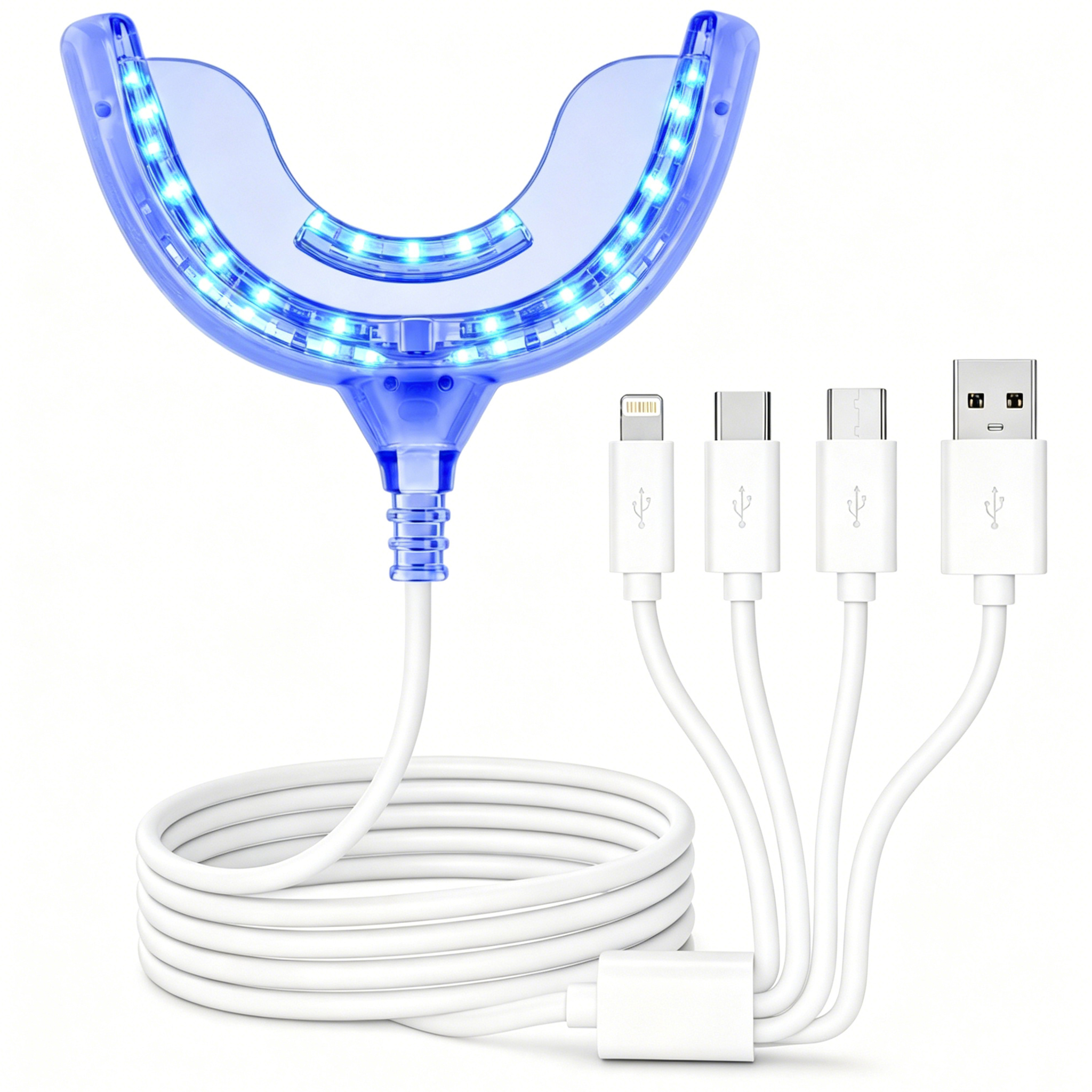
Consumer infrared oral care devices operate under tighter power constraints — generally capped at 25 mW/cm² — which requires longer treatment sessions of 5–15 minutes to achieve comparable energy doses. The tradeoff is a substantially improved safety margin for unsupervised home use. Well-designed consumer devices compensate for lower power through fixed treatment protocols, automatic shut-offs, and optimized emitter geometry that maximizes tissue coverage within the oral cavity. The best home-use models on the market today deliver reliable dosimetry without requiring the user to understand the underlying physics.FDA Regulatory Status
Regulatory classification shapes what any manufacturer can claim about their device's capabilities. The FDA classifies infrared therapy devices as Class II medical devices when they make therapeutic claims, requiring 510(k) premarket notification and demonstrated substantial equivalence to cleared predicate devices. The FDA's broader guidance on medical device classification makes clear that "red light therapy" claims are not broadly approved for consumer wellness applications — a distinction that matters when evaluating marketing materials. Devices that carry FDA clearance for specific indications have met a meaningfully higher evidentiary bar than those sold purely as wellness accessories. Consumers should verify 510(k) clearance status before purchasing any device making clinical health claims. Learn more about how oral care technology is regulated and reviewed to make better-informed purchases.Safety Protocols and Contraindications
Infrared oral care devices carry a well-characterized safety profile when used within established dosimetry guidelines. Short-term sessions under 20 minutes demonstrate adverse event rates below 2%, with most reported side effects limited to transient tissue sensitivity resolving within 24–48 hours. Established contraindications deserve clear attention:- Active oral malignancies: Infrared stimulation of metabolically active cancer tissue is contraindicated without direct oncologist supervision.
- Photosensitizing medications: Tetracycline antibiotics, certain antipsychotics, and specific antifungals increase photosensitivity and can amplify tissue response unpredictably.
- Implanted electronic devices: Patients with pacemakers or cochlear implants should consult their physicians before using any light-emitting oral device in proximity to the implant site.
- Pregnancy: Insufficient data exists to establish fetal safety, making avoidance the appropriate precaution until evidence accumulates.
Integrating Infrared Therapy Into Daily Oral Care Routines
The sequencing of infrared therapy within an oral care routine affects its efficacy. Clinical protocols consistently place PBM after mechanical cleaning and before fluoride or remineralizing agent applications. Pre-conditioned tissue — with elevated local circulation and reduced inflammatory cytokine load — shows approximately 23% improved fluoride uptake compared to unconditioned tissue in preliminary studies. Evening application schedules align with circadian tissue repair cycles. Overnight recovery periods allow the ATP-driven healing cascade to proceed without interruption from eating, drinking, or further mechanical stimulation. Combination approaches are generating interest in both clinical and home-use contexts. Infrared pretreatment has been shown to enhance topical antimicrobial penetration by up to 31%, which opens the door to maintaining therapeutic efficacy at reduced chemical concentrations — a clinically meaningful benefit for patients sensitive to alcohol-based rinses or high-concentration peroxides. For a broader look at evidence-based approaches to gum health, explore our guide to adjunctive gum health treatments used in modern dental practice.Practical Protocol for Home Users
- Brush and floss thoroughly before activating the infrared device.
- Follow the manufacturer's positioning guidelines — distance and angulation affect dose delivery.
- Use only devices with documented FDA 510(k) clearance or equivalent regulatory approval for your region.
- Do not exceed the recommended session duration; more exposure is not more effective above the therapeutic ceiling.
- Monitor for any tissue changes and discuss them with a dental professional at your next appointment.
Market Growth and the Clinical Adoption Landscape
The LED oral care device segment is on a strong growth trajectory. Grand View Research projects the market will reach approximately $847 million by 2026, with at-home preventive care demand serving as the primary growth driver. The COVID-19 pandemic accelerated adoption by an estimated 34% as patients sought capable alternatives to frequent in-office visits. Dental practice integration represents a significant revenue and patient care opportunity. Surveys indicate that 68% of dentists have expressed interest in adding photobiomodulation to their service menu. The barrier is not clinical skepticism — the evidence base has matured considerably — but reimbursement. Most insurers still classify infrared therapy as experimental for routine oral care, leaving practices to operate on a cash-pay model that limits accessibility. Consumer purchasing data shows a preference for devices priced between $89–$249, with 73% of buyers ranking FDA clearance as their top purchasing criterion above features or aesthetics. This preference signals a market maturing past novelty — buyers are seeking clinically credible tools, not gadgets. International growth is strongest in Asian markets, where compound annual growth rates are projected to exceed 18% through 2027, driven by high rates of technology adoption and expanding middle-class dental spending. The regulatory review pipeline at the FDA will be a defining factor in how quickly clinical adoption accelerates. As more manufacturers complete 510(k) submissions with robust dosimetry data, the evidence base supporting specific cleared indications will sharpen — and reimbursement conversations with payors will become more productive. Understanding how to evaluate dental devices before you buy has never been more relevant for both clinicians and consumers navigating this space.What the Evidence Does — and Does Not — Support
A comprehensive review published in PubMed Central on laser and photobiomodulation technology in dentistry acknowledges both the growing clinical evidence and the adoption barriers that remain. The technology reduces inflammation, accelerates healing, and improves patient outcomes across multiple applications — but it is not a replacement for mechanical plaque control or professional periodontal care. Infrared oral care devices function best as adjuncts: tools that enhance the effectiveness of brushing, scaling, and antimicrobial therapy rather than substitutes for them. Practitioners and consumers who frame these devices that way will set realistic expectations, achieve measurable outcomes, and contribute to an evidence base that continues to grow in rigor. The clinical science is compelling. The regulatory framework is clarifying. And the devices themselves are becoming more precise, more accessible, and more tightly validated with every product generation. For patients and practitioners willing to engage with the evidence carefully, infrared photobiomodulation represents one of the more substantive advances in oral care technology in the past decade.References
- Optical analysis for effective phototherapy in an LED oral care device. PubMed Central.
- Determining the Effectivity of Infrared Distance to Eliminate Dental Pain. PubMed Central.
- The Path to an Evidence-Based Treatment Protocol for Extraoral Photobiomodulation. Frontiers in Oral Health.
- Effect of LED photobiomodulation on tooth movement and gingival hypertrophy. PubMed Central.
- Laser Technology in Dentistry: From Clinical Applications to Future Perspectives. PubMed Central.
- Medical Device Overview and Classification. U.S. Food and Drug Administration.
- Oral Care Market Size, Share and Trends Analysis Report. Grand View Research.