Coconut Oil Pulling: Ancient Wisdom Meets Modern Science
May 26, 2026
What Is Oil Pulling?
Oil pulling is an ancient oral health practice that involves swishing oil in your mouth for a specified period, typically 15–20 minutes. The technique draws its name from the concept that the oil "pulls" bacteria, toxins, and debris from the oral cavity. While various oils can be used—including sesame and sunflower—coconut oil has gained significant popularity in recent years due to its pleasant taste and potential antimicrobial properties.Origins in Ayurvedic Medicine
Oil pulling traces its roots back approximately 3,000 years to traditional Ayurvedic medicine, one of the world's oldest holistic healing systems originating in India. Known as "kavala" or "gandusha" in Sanskrit, this practice was believed to treat more than 30 systemic diseases ranging from migraines to asthma. Ayurvedic practitioners viewed oral health as integral to overall wellness, recognizing the mouth as a gateway to the body. The Charaka Samhita, a foundational Ayurvedic text, describes oil pulling as a method to strengthen teeth, gums, and the jaw while preventing oral diseases.The Science: What Research Actually Shows
While anecdotal claims about oil pulling abound, modern scientific investigation has begun to examine its actual effects. Here's what peer-reviewed studies have found:Clinical Evidence on Plaque and Gingivitis
A landmark randomized controlled trial by Peedikayil et al. (2015), published in the Nigerian Medical Journal, demonstrated significant improvements in oral health markers among participants who practiced coconut oil pulling for 30 days:- Significant reduction in plaque index scores
- Decreased gingival index (a measure of gum inflammation)
- Measurable improvements visible within 7 days, with continued benefits through day 30
Coconut Oil vs. Sesame Oil
A 2024 comparative study by Bansal et al. examined coconut oil against sesame oil for oil pulling efficacy. The researchers found that both oils reduced bacterial colony counts in the mouth, with coconut oil showing comparable or superior results in certain bacterial reduction metrics.Mechanism of Action
Coconut oil contains lauric acid, a medium-chain fatty acid comprising approximately 50% of its composition. Lauric acid has demonstrated antimicrobial properties against oral pathogens including Streptococcus mutans, a primary bacterium responsible for tooth decay.How to Practice Oil Pulling: A Step-by-Step Guide
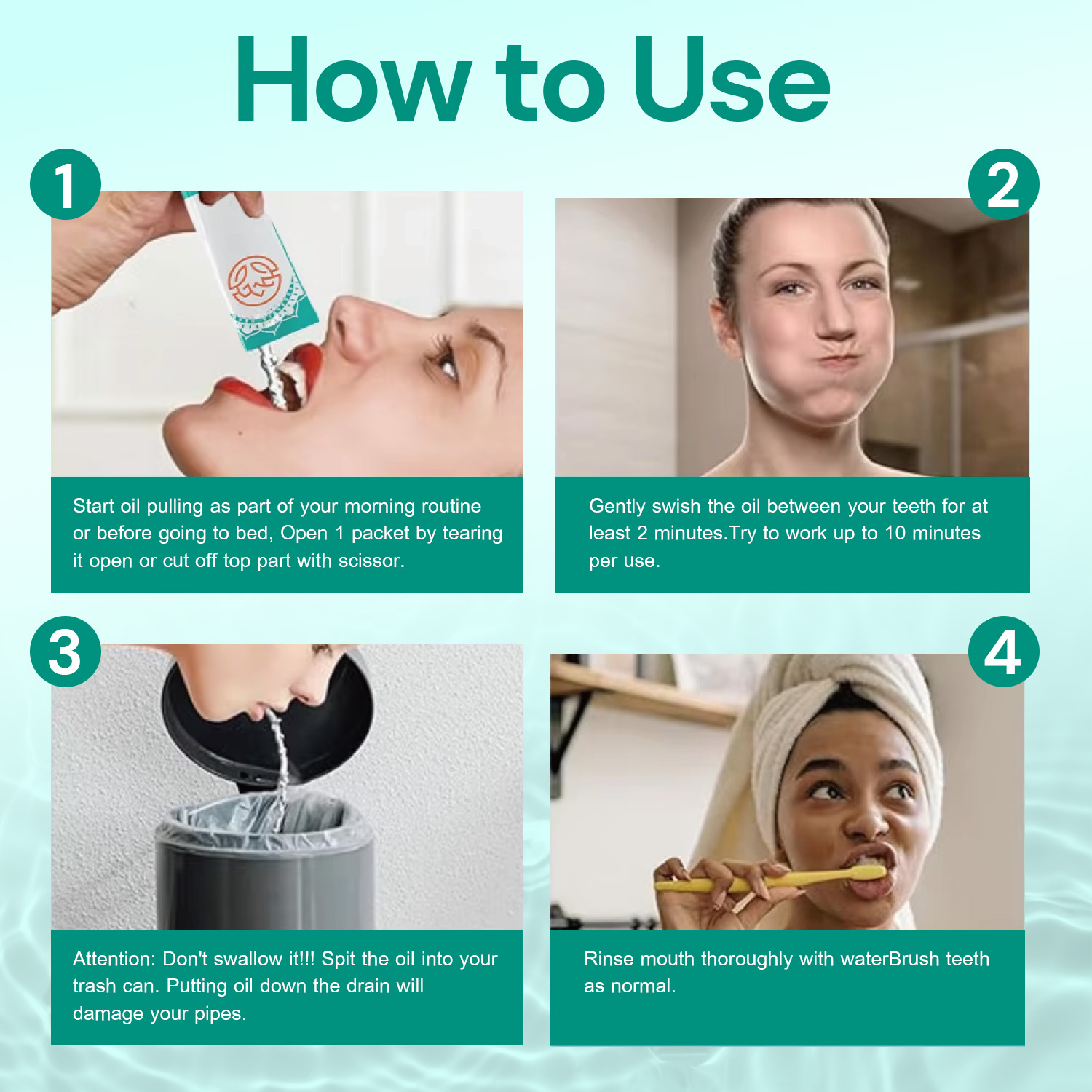
Ready to try oil pulling? Follow these evidence-based steps:- Choose Your Oil: Select high-quality, unrefined (virgin) coconut oil. The subtle coconut flavor makes it more palatable than alternatives.
- Measure the Amount: Take 1 tablespoon (15ml) of coconut oil. If this feels like too much initially, start with 1 teaspoon and gradually increase.
- Swish Methodically: Place the oil in your mouth and swish it between your teeth, around your gums, and across your tongue. Use gentle, steady motions—no aggressive gargling required.
- Duration Matters: Continue for 15–20 minutes. This timeframe allows sufficient time for the oil to interact with oral bacteria without the liquid becoming too diluted by saliva.
- Spit—Don't Swallow: The oil now contains bacteria and debris. Spit it into a trash can (not your sink, as oil can clog pipes over time).
- Rinse and Brush: Rinse your mouth with warm water, then brush your teeth as normal.
- Consistency Is Key: Practice daily, preferably on an empty stomach in the morning before eating or drinking.
Benefits and Limitations
Potential Benefits
- Reduced plaque accumulation
- Improved gum health and reduced gingivitis
- Fresher breath through bacterial reduction
- Natural and cost-effective oral care addition
- Safe for most people with minimal side effects
Important Limitations
The American Dental Association (ADA) does not recommend oil pulling as a replacement for standard oral hygiene practices. Their position:"Oil pulling is not recommended as a replacement for brushing and flossing. While it may have some benefits as an adjunctive therapy, the current research is insufficient to support it as a stand-alone preventive measure."The Mayo Clinic similarly notes that while oil pulling appears safe, "research on its effectiveness is limited."
Common Myths Debunked
❌ Myth: Oil pulling "detoxifies" your entire body
✓ Fact: There is no scientific evidence that oil pulling removes toxins from your blood or organs. The practice affects the oral cavity only—bacteria in the mouth do not enter the oil and then exit through your skin or digestive system.❌ Myth: It whitens teeth dramatically
✓ Fact: While some users report mild brightening, oil pulling is not a Teeth Whitening treatment. It may reduce surface stains by removing plaque, but it cannot change the intrinsic color of your teeth like professional whitening.❌ Myth: You can skip brushing and flossing
✓ Fact: Oil pulling does not replace mechanical cleaning. Brushing removes plaque physically; flossing cleans between teeth where oil cannot reach. Think of oil pulling as a complementary practice, not a substitute.❌ Myth: Swallowing the oil provides internal benefits
✓ Fact: Never swallow the oil after pulling. It contains concentrated bacteria and toxins from your mouth. Spit it out completely every time.Conclusion
Coconut oil pulling represents a fascinating intersection of ancient wisdom and modern scientific inquiry. While clinical evidence supports its benefits for reducing plaque and improving gum health, it should be viewed as a complementary practice—not a replacement for established oral hygiene. If you're curious about oil pulling, it's generally safe to try and may offer genuine benefits for your oral microbiome. Just remember: keep brushing twice daily, floss regularly, and visit your dentist for professional cleanings. The best approach to oral health is a comprehensive one. Have you tried oil pulling? We'd love to hear about your experience in the comments below.References
- Peedikayil FC, et al. (2015). Effect of coconut oil in plaque related gingivitis — A preliminary report. Nigerian Medical Journal, 56(2):143-7.
- Bansal S, et al. (2024). Comparative evaluation of coconut oil and sesame oil for oil pulling efficacy: A randomized controlled trial.
- American Dental Association. (2023). Oil Pulling: What You Need to Know. www.ada.org
- Mayo Clinic. Oral Health: Alternative Medicine. www.mayoclinic.org
- Asokan S, et al. (2009). Oil pulling therapy. Indian Journal of Dental Research.